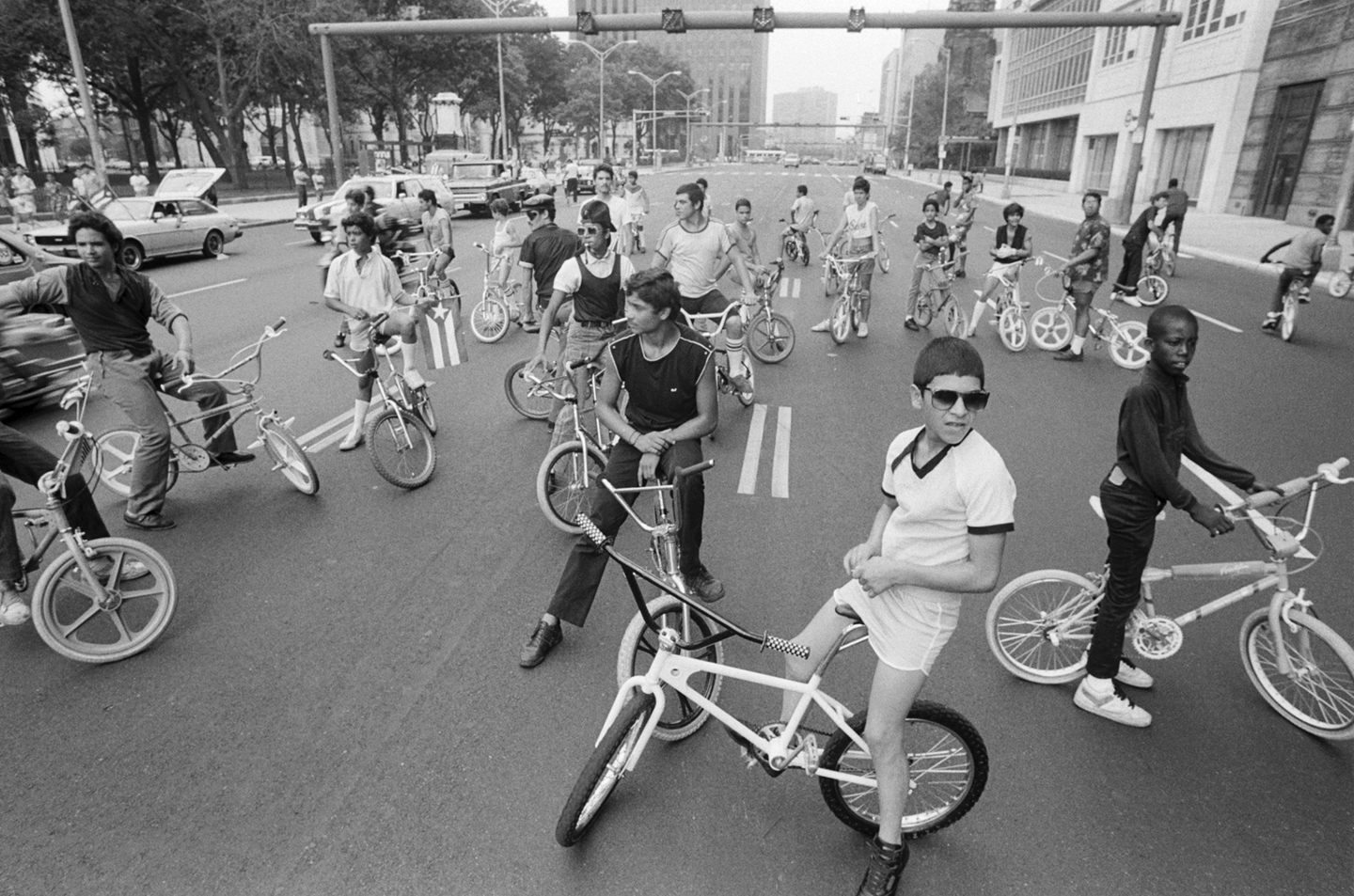
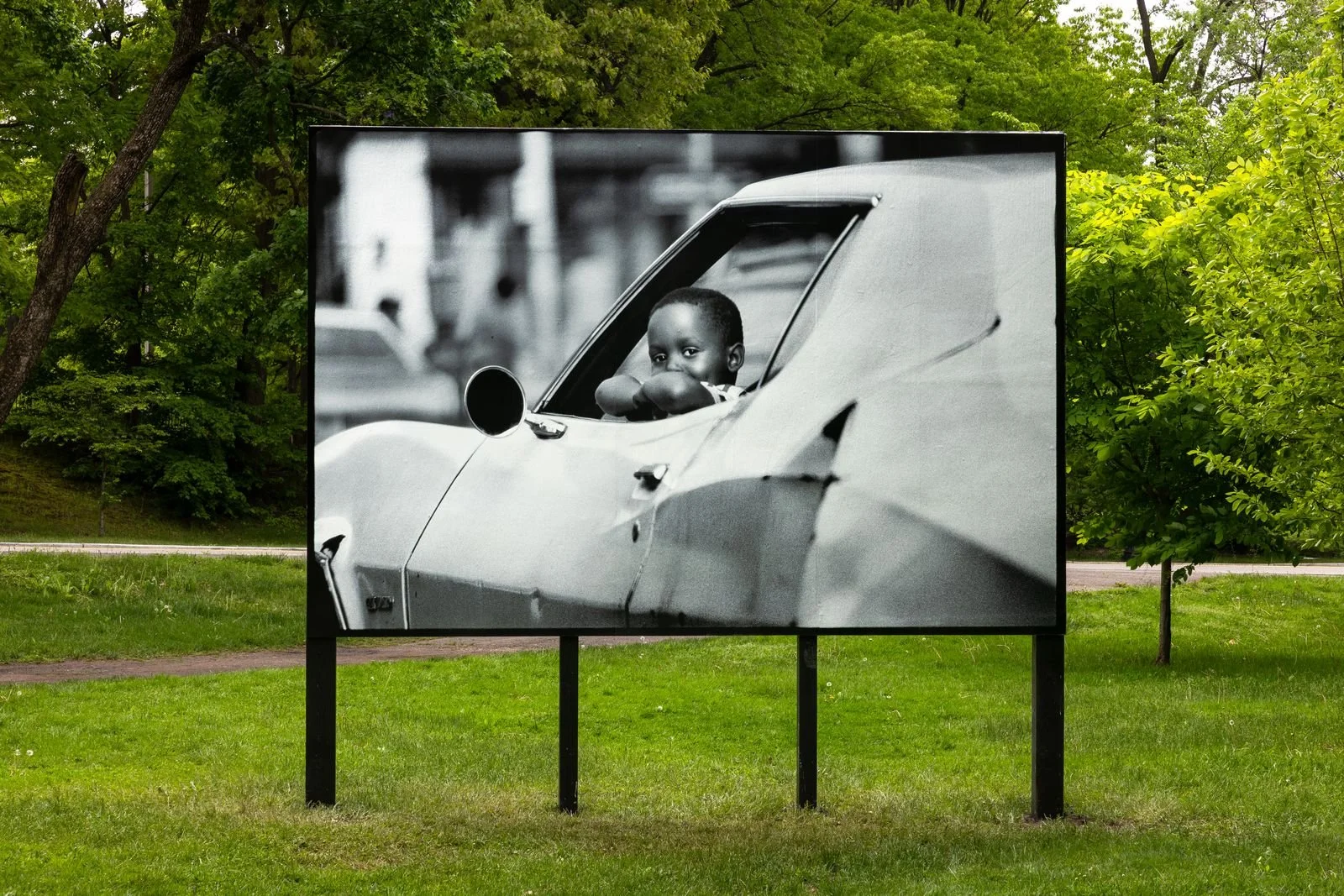
Manuel Acevedo, BMX Crew (After the Puerto Rican Day Parade), 1986. Courtesy of the artist.
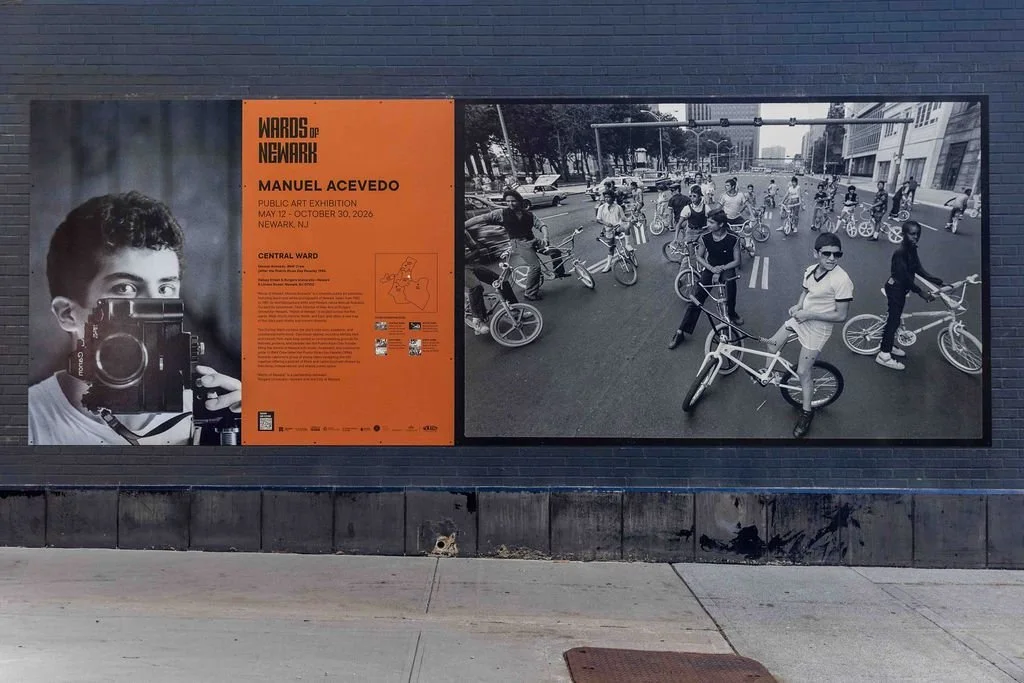

MANUEL ACEVEDO
PUBLIC ART EXHIBITION
MAY 12 - OCTOBER 30, 2021
NEWARK, NJ
CURRENT EXHIBITION
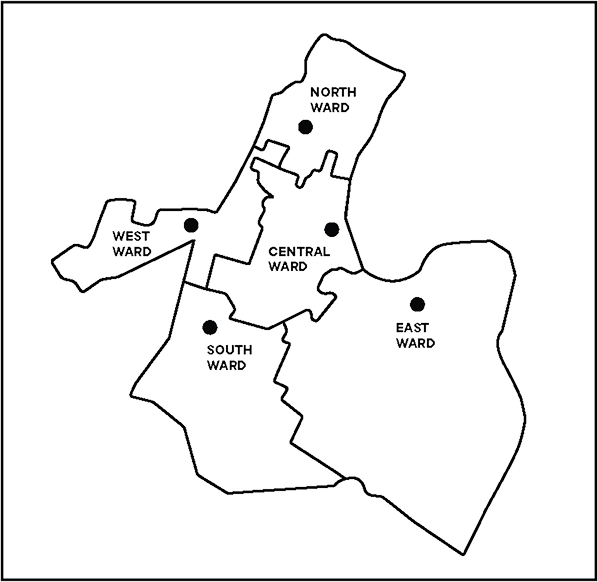
Wards of Newark: Manuel Acevedo is a citywide public art exhibition featuring black-and-white photographs of Newark, taken from 1982 to 1987, by the multidisciplinary artist and Newark native Manuel Acevedo. Curated by Salamishah Tillet, Director of New Arts at Rutgers University—Newark, “Wards of Newark” is located across the five wards, West, South, Central, North, and East, and offers a new map of the city’s past vitality and current diversity.
QUESTIONNAIRE
“I grew up in Newark, New Jersey, where I internalized the architecture of my community through the lens of a camera—depicting our reality through portraiture and urban landscape.” —Manuel Acevedo
EXHIBITION SITES
NEWARK CITYWIDE PUBLIC ARTWORKS
“Wards of Newark: Manuel Acevedo” features large-scale billboards and murals at key sites in the city:
West Ward: Former Pabst Blue Ribbon Brewery, 588 South Orange Ave
South Ward: Soundstage Park, 450 Clinton Ave
Central Ward: Rutgers University/Halsey Street, 5 Linden Street
North Ward: Essex County Branch Brook Park (Near the Roller-Skating Rink)
East Ward: Riverfront Park, 871 Raymond Blvd
North Ward
Branch Brook Park (Near the Roller Skating Rink)
Newark, NJ 07104
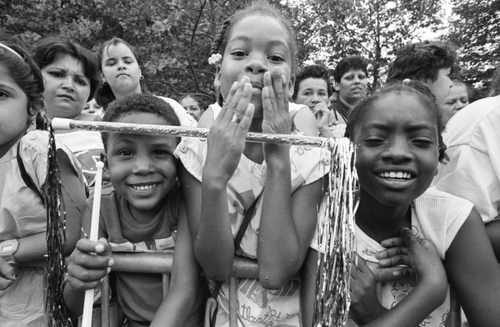
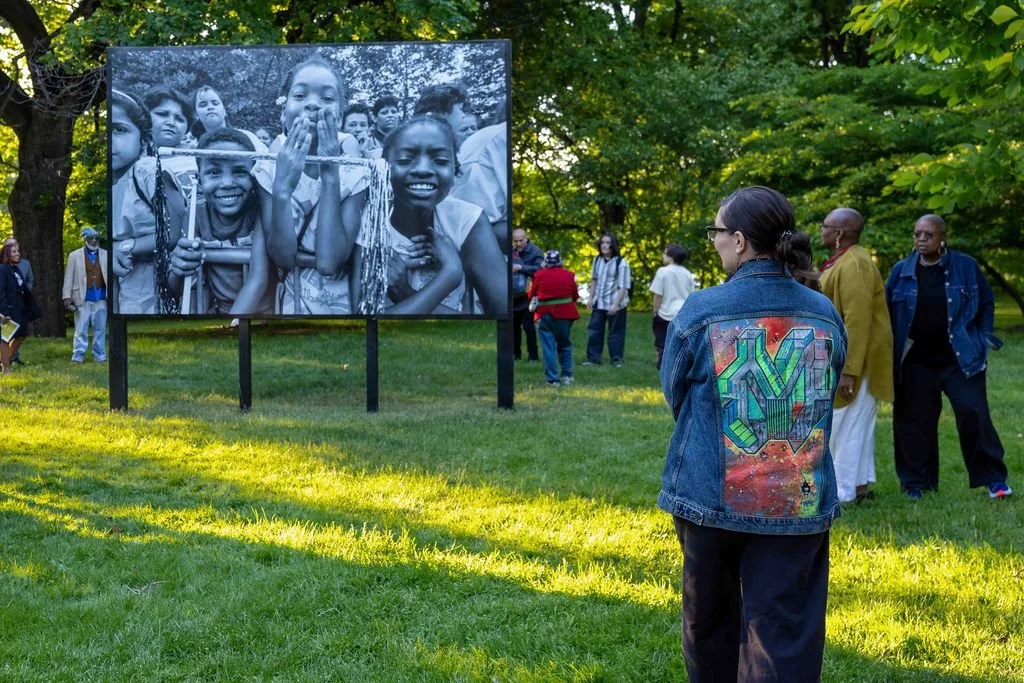
The North Ward is home to Branch Brook Park, the first county park in the United States, designed by renowned landscape architect Frederick Law Olmsted, and opened in 1895. Hosting the annual Cherry Blossom Festival each April, it continues to serve as a shared space for residents across the city and Essex County, reflecting the park's long tradition of urban leisure and public gatherings. The photographs Parade Day (1987) and Looking Out (1982) both feature young children and are located directly on the historic park grounds, across from the skating rink, highlighting Branch Brook's legacy as a site of cultural gatherings, play, and family celebrations.
Central Ward
Halsey Street & Rutgers University—Newark
5 Linden Street, Newark, NJ 07102
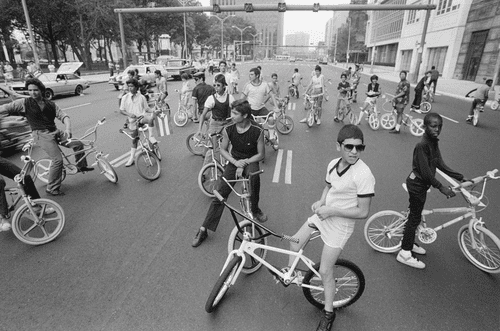
The Central Ward contains the city's main civic, academic, and commercial institutions. Downtown spaces, including Military Park and Lincoln Park, have long served as central meeting grounds for festivals, protests, and parades like the Puerto Rican Day Parade, filling the streets of Newark with music, movement, and community pride. In BMX Crew (after the Puerto Rican Day Parade) (1986), Acevedo captures a group of young riders navigating the city together, offering a portrait of Black and Latino boyhood shaped by friendship, independence, and shared public space.
East Ward
Riverfront Park
709 Raymond Blvd, Newark, NJ 07105
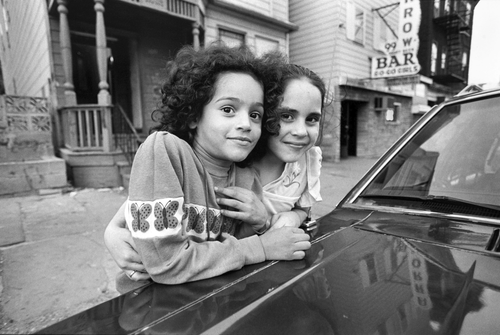
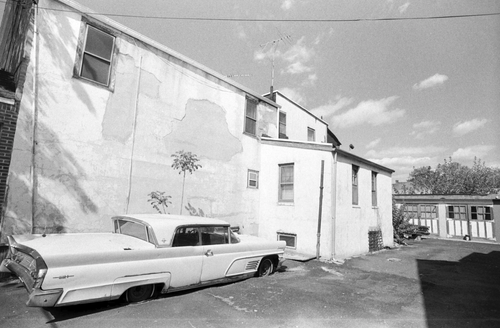
Located in Riverfront Park, the installation considers the waves of immigration, migration, and dynamic exchange that have shaped the East Ward, and Newark's evolving demographic landscapes, from the original Lenape inhabitants, to the arrival of African American migrants from the South and Italian, Irish, Portuguese immigrants throughout the late nineteenth and the twentieth centuries, to the recent influx of communities from the Caribbean, Central America, Asia, and South America.
The placement of the images creates distinct sightlines along Raymond Boulevard: the river, the stadium, the train line, and the public park. Facing Newark Penn Station, Continental on Brookdale Ave (1983) is one of the few landscape images featured, in which Acevedo reimagines the 1960 Lincoln Continental Mark V as an urban still-life, allowing it to stand out and conjure the rhythms of travel and daily migration. On the opposite side, Embrace (1986), a portrait of two young girls, looks upon the Ironbound section of Newark, invoking a sense of home and comfort within a constantly moving landscape.
South Ward
Soundstage Park
450 Clinton Ave, Newark, NJ 07112
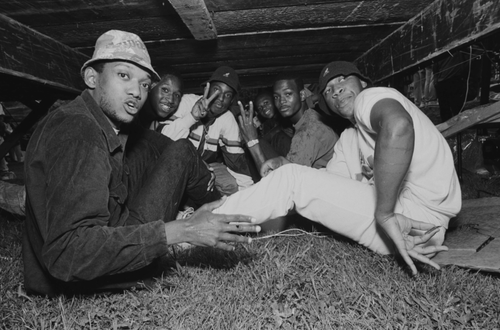
From theater stages to public murals, the South Ward reflects a long tradition of cultural expression and its influence on the neighborhood's identity. Enriched by legacy cultural sites such as Kimako's Blue People, founded in the basement of Amiri and Amina Baraka's home, and by wall and current street murals commissioned by the City of Newark, the South Ward is a place shaped by music, audience, and artistic freedom.
One of Acevedo's later images from this period, Holding Court (Sub-stage at the People's Festival) (1987), echoes this artistic ethos, depicting a group of young men gathered beneath a stage at a public hip-hop event. Exhibited in Soundstage Park on Clinton Avenue, the artwork underscores the South Ward's enduring role as a place to showcase and gather around shared cultural life.
West Ward
Former Pabst Blue Ribbon Brewery
588 South Orange Ave, Newark, NJ 07106
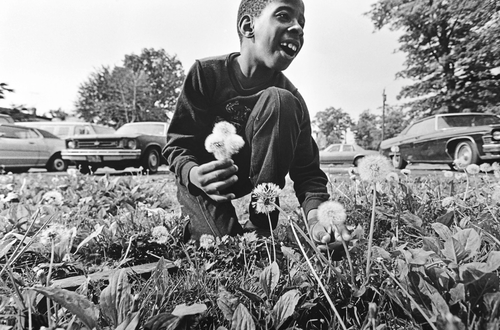
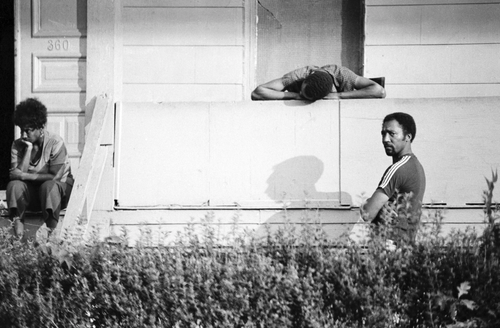
Beginning in the Acevedo's neighborhood of the West Ward, the photos Monk Picking Flowers (1986) and Composition at House No. 360 (1982) are situated at the intersection of South Orange Avenue and Grove Street, one of the city's busiest corridors. Located at the former Pabst Blue Ribbon brewery, which operated for 40 years before closing in 1986, the site is a remnant of Newark's industrial past, and even in the building's absence, it continues to shape the neighborhoods that surround it. In contrast, the pairing of Acevedo's images brings the complexities of domestic life outdoors, creating landscapes that reflect the carefree yet contained nature of childhood and communal life, rendered through an urban, highly expressive visual language that honors the energy and diversity of his childhood communities.
PRESS KIT

Manuel Acevedo, Self Reflection, 1982. Courtesy of the Artist.
Taking his first photograph for the series at age 18, Acevedo grew up in a Puerto Rican household in the West Ward and spent his childhood in one of the most racially and ethnically integrated areas of the city. Among the over 275 rolls of 35mm film developed for this project were the promise of Acevedo's prodigy and the beginnings of his social practice.
His is a singular aesthetic, one that captured the warmth, connection, and vibrancy of Newark during a time when its dominant media narratives were suburban flight, crime, and decay.
Through his unique blend of portraiture, documentary, and street photography, he told the story of daily life here as he lived it: rallies, birthday parties, parades, fashion shows, political campaigns, religious rituals, graffiti writing, and voguing and breakdancing.
Acevedo's images captured a city in motion, as it underwent rapid transformation driven by immigration, post-industrialization, and the rise of hip-hop culture. The nostalgia of his images invites viewers to remember Newark as a place of home, community, and cosmopolitanism. But the "Wards of Newark" is also a novel take on the city, with its photographic routes dissolving the longstanding demographic and geographic differences that continue to divide Newark today.
Each selected image demonstrates Acevedo's belief in the people of Newark, where their unique subjectivities and urban sensibilities are at the cultural forefront. To mirror his visual achievement, the photographs are presented as large-scale billboards and murals at key sites in the city: Branch Brook Park, Riverfront Park on Raymond's Boulevard, Halsey Street/Rutgers University—Newark, South Stage Park at Clinton Avenue, and South Orange Avenue.
ABOUT NEW ARTS
Founded by faculty member Dr. Salamishah Tillet in 2018, New Arts is a public art studio in Express Newark dedicated to art and social practice. New Arts collaborates with community, university, and municipal partners to create public projects powered by art’s relationship to place, social justice, and civic engagement in Newark and beyond.
Daughter
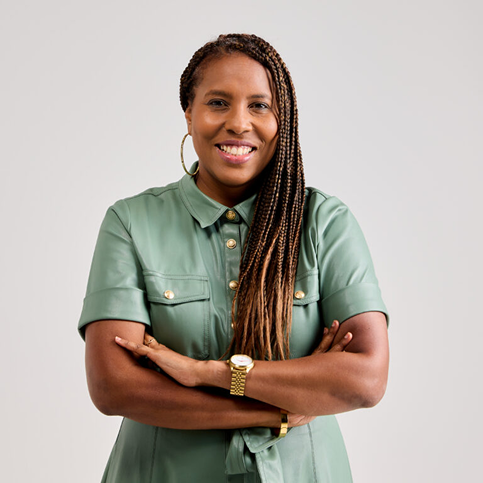
New Arts Justice Poet-in-Residence Jasmine Mans presents Daughter, a public poetry workshop series and performance that explores themes of daughterhood by investigating internal yet relative conversations women seek space to voice aloud. Featuring narratives from literary foremothers and her curiosities, Mans will explore themes of voice, memory, and reclamation through newly created poems and digital media production in the multi-media development of her written poetry. The dialogue will explore intergenerational conversation with self and external relationships, as well as visuals and context given to her home, Newark, New Jersey.
THE WORKSHOP: There will be a public poetry-writing workshop hosted in collaboration with The Free Black Women's Library that references and builds on the poems Blues People, after Amiri Baraka, Palestine, Motherhood, Newark, and Femininity. Featured in Mans' digital media series, Mans used her residency to produce digital media work with visual textures of Newark to support the narrative throughline in four pieces that encompass the current and future. Participants will work closely with Mans to explore past and present pieces that unpack the reclamation of voice that has inspired particular poems she is presenting and providing as a touchpoint for conversation. Activating a literary community between Brooklyn and Newark is an opportunity to collaborate with diverse community members in the tri-state area.
THE PERFORMANCE: The two-night live poetry performance by Mans with band accompaniment and a moderated conversation with Express Newark and New Arts Director Salamishah Tillet will provide a dialogue into the process and inner workings of Mans' work in this new iteration of production. After exploring identity. Each activation is free and open to the public. Attendees can share the space with live readings with featured accompaniment and join New Arts in conversation with Dr. Tillet to expand on the exciting work that provided a platform for Mans' experimental process through resources in her residency. Hosted at Express Newark is a celebration of the work Mans has developed, a moment of honoring the musical and jazz references in Baraka's work, and a dialogue unpacking the process of creation and inspiration behind Man's published and in-process work.
THE RESIDENCY: Jasmine Mans is the inaugural Poet-in-Residence for New Arts Justice. Through this yearlong residency, Mans will engage the spaces and engagements with Express Newark's annual theme Blues People, an exhibition on view from February 20– July 19, 2024, and in collaboration with The Free Black Women's Library. The end production of this residency is to provide a platform for engagement and experimentation in poetry and performance to develop Man's work in ways she otherwise would not be able to do without facilitation.
Featured public engagement is activating the community through workshops led by Jasmine Mans and two curated performances featuring a talkback highlighting the work done in the year-long residency. Reaching Newark and beyond through public art is part of the mission to expose new voices to sustained programming and community engagements in spaces that are accessible and timely. Key themes featured in Blues People are activism, blues music, poetry, home, community, and, in the tradition of Baraka, resistance and resilience through expression.
The New Arts Justice Poet-in-Residence program is supported by Executive Director Salamishah Tillet. New Arts Program Coordinator Brooke Finister provides additional support for the residency, in addition to Senior Program Coordinator and Associate Curator and curator of Blues People, Alliyah Allen, and Tech Multimedia Coordinator for Express Newark, Babas Denis. Further development of digital production is thanks to Nneka Julia Odum, Director of digital visuals and production. Our collaborative workshops are thanks to the shared community with The Free Black Women's Library and the Newark Public Library, as well as the support of Rutgers University–Newark for supporting the arts community in venturing into public art in the greater Newark area.
Picturing Black Girlhood
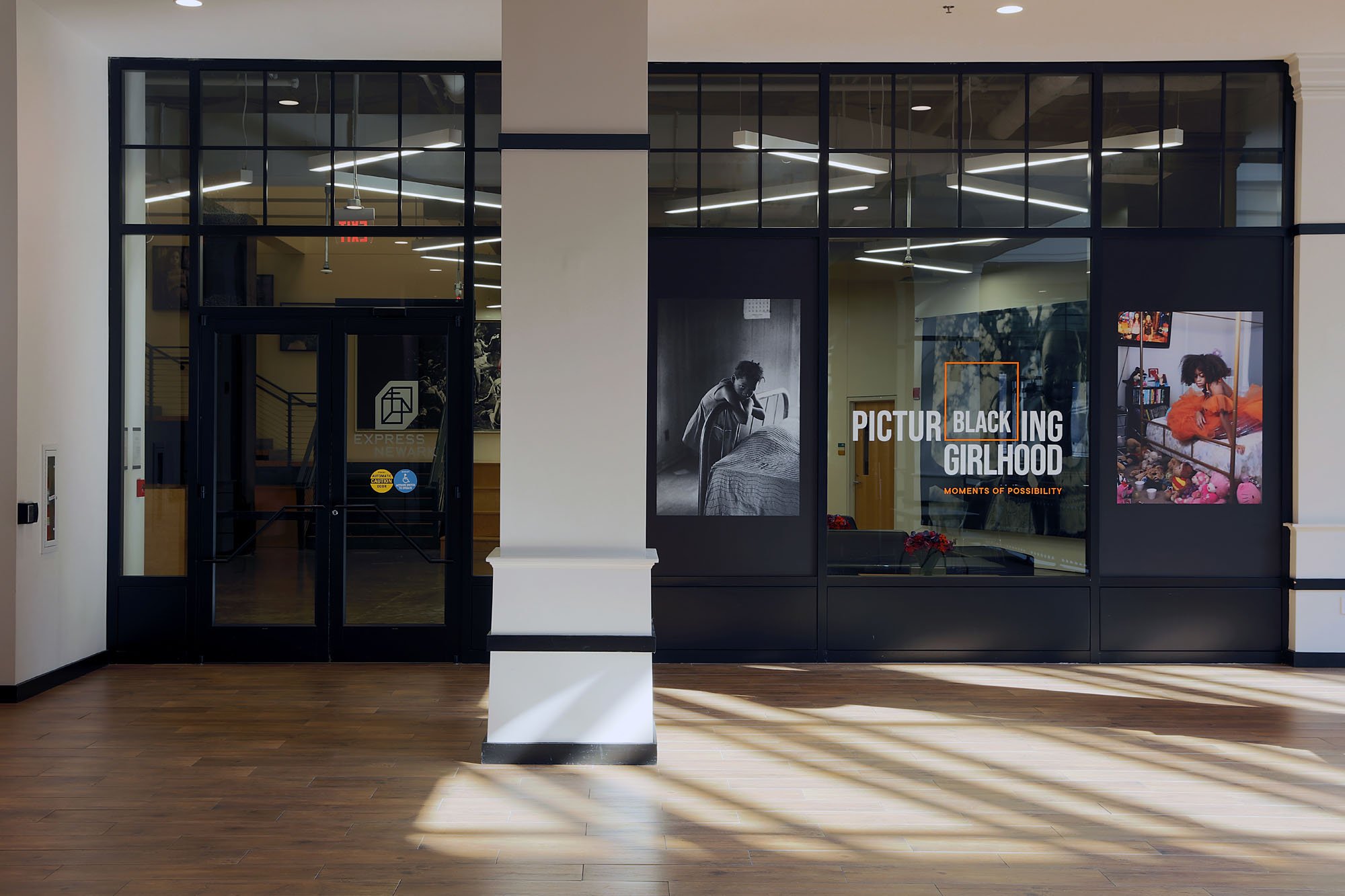
Picturing Black Girlhood: Moments of Possibility is an exhibition exploring Black girlhood through the work of more than 85 Black women, girls, and genderqueer artists working in photography and film. On view from February 17 through July 2, 2022, at Express Newark in downtown Newark, Picturing Black Girlhood is co-curated by photographers and activists Scheherazade Tillet and Zoraida Lopez-Diago.
Bringing together iconic image-makers, emerging artists, and young photographers (the artists range in age from 8 to 94 and over half of them are under the age of 18), Picturing Black Girlhood restages intimate Black girl coming-of-age narratives made through the reifying the lens of Black women and genderqueer artists and the real-time experiences and perspectives of Black girls themselves.
"The exhibition situates images made by iconic photographers such as Lorraine O'Grady, Carrie Mae Weems, and LaToya Ruby Frazier side by side with contemporary counterparts made by Black girl artists during the past ten years," said curator and photographer Scheherazade Tillet. "We are doing a Black Girl Takeover of Express Newark, The City of Newark, and Photography. We are disrupting traditional art-world hierarchies by centering Black girls as subjects, artists, and agents of their own lives."
"Our show is in direct contrast to a history of photography and film in which Black girls have routinely been oversexualized or adultified," said curator Zoraida Lopez-Diago. "And as a result, have become more invisible and vulnerable to violence in our society."
Ambitious in scale and scope, Picturing Black Girlhood is an urgent response to the crisis of racism and sexism that Black girls continue to face, as well as a radical re-imagining of our world through their gaze and those of the adults that were once Black girls themselves. Half of the artists in the exhibition are Black girls under the age of 18 who were identified for the project from art organizations, including A Long Walk Home, The Beautiful Project, Bronx Documentary Center, International Center of Photography, and Perfect Ten.
The signature images, Doris Derby's Rural Family Girlhood, Mileston, Mississippi (1968) and Ángelina Cofer's Nineteen, Chicago (2021), were taken more than 50 years apart by Derby, a civil rights activist, and Cofer, a Black Lives Matter and Me Too movement leader. While both images are invitations into the interior lives of Black girls, their distinctions from subject to self-portrait, rural to urban, and black and white to color do not undermine their shared themes but enable viewers to see what is at stake when the Black girl's gaze is captured versus self-created.
Will You Be My Monument
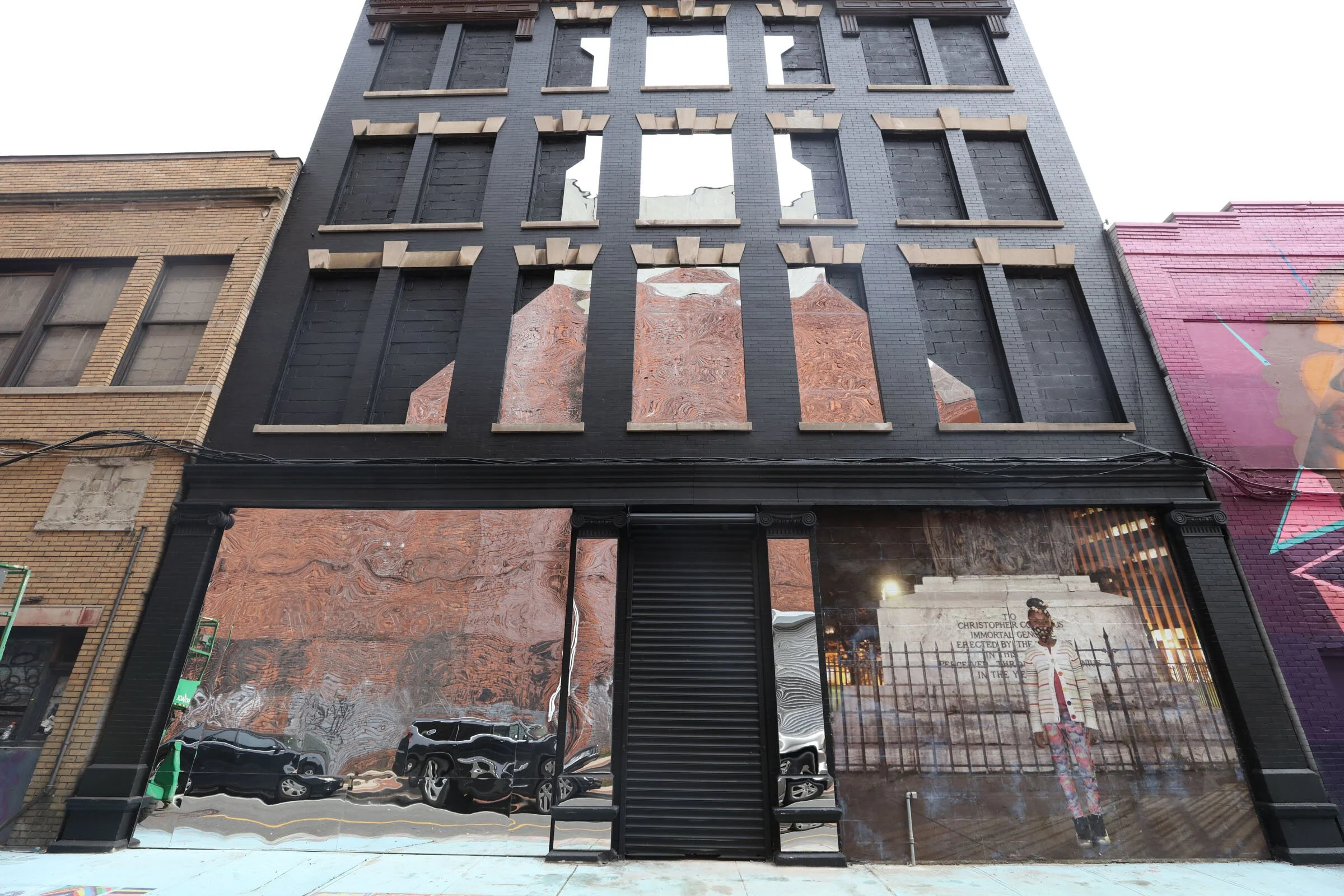
Will You Be My Monument is a collaboration between writer Salamishah Tillet of New Arts Justice at Rutgers University – Newark, designer Chantal Fischzang, and photographer Scheherazade Tillet. This public art installation was inspired by the City of Newark's removal of the Columbus statue in Washington Park on June 25, 2020. Featuring a photograph by Scheherazade Tillet of Fea'Tina, an eight-year-old Black girl who celebrated her eighth birthday in Washington Park that night, this work is also made up of reflective typography and acrylic mirrors that Chantal Fischzang designed to structurally connect the installation with the pedestal of the original monument and to reflect the diversity and vibrancy of the people of Newark.
The sheer size of this installation – a four-story building – and its aesthetic gravitas greatly add to the debates about monuments, racial representation, and social justice, while also enhancing contemporary conversations about the ongoing (in)visibility of Black girls and young women in the United States. In the Spring of 2021, Alliyah Allen of New Arts Justice and Keary Rosen of the Form Design Studio at Express Newark will host a series of public programs that encourage local artists and everyday citizens to contribute to these contemporary conversations about memory, belonging, and our civic landscape.
Murals for Justice
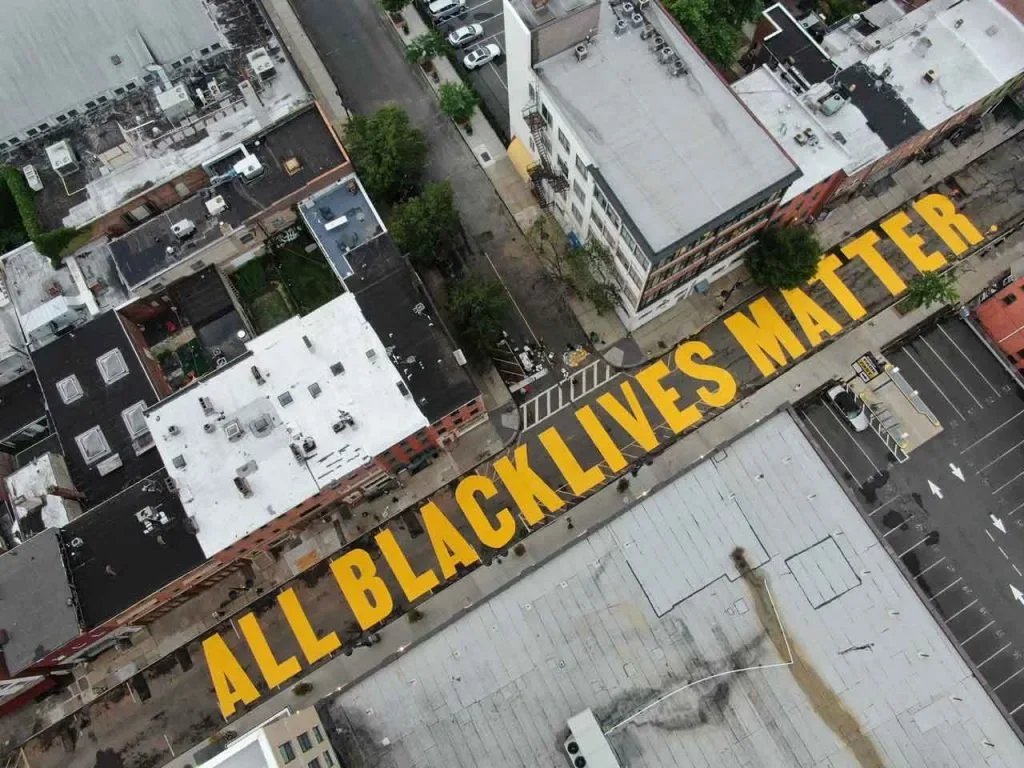
The City of Newark launched its social justice public art initiative by collaborating with the Rutgers University-Newark Graphic Design Program and several well-known City muralists and organizers to paint two of Newark's busiest streets with prominent messages on Saturday, June 27, 2020. Over 200 community members arrived throughout the day yesterday to help complete the murals. On Dr. Martin Luther King, Jr. Boulevard between the Essex County Historic Courthouse and Veterans' Courthouse, the words "ABOLISH WHITE SUPREMACY" were painted in bright yellow traffic paint. On Halsey Street, east of the Rutgers campus, the words "ALL BLACK LIVES MATTER" takes up another City block.
"The convergence of art and protest is an age-old practice, especially pronounced in African-American culture," Mayor Baraka said. "Poetry, music, graphic design, and public art are all public avenues to have our voices heard. Newark is a movement City as well as a City of artists."
The murals were designed using MARTIN by VocalType inspired by remnants of the Memphis Sanitation Strike of 1968, and the signs of striking workers declaring "I AM A MAN." The letterforms live 25 ft' in height, and were drafted by 80 local artists and design students/alumni in preparation for community painting. The Graphic Design program in the Department of Arts, Culture, and Media at Rutgers University-Newark is a social impact-driven design curriculum that embraces publicly-engaged and collaborative design practices. In collaboration with New Arts Justice, an incubator focused on intersectional approaches to art and activism, a series of large scale, typographic murals were envisioned that embody a powerful visual call-to-action. "Our community street murals made a statement and model a solution," said Professor Salamishah Tillet of Rutgers University-Newark and the director of New Arts Justice at Express Newark. "Through this unique collaboration between the city, community artists, and the university campus, we brought Newark, and our nation, one step closer to making the long-deferred dream of racial justice a reality."
The murals are in solidarity with the "Black Lives Matter" protests with the encouragement of Mayor Ras J. Baraka, who drafted an ordinance approved by the City Council to create a permanent Office of Violence Prevention, which also declared white supremacist groups as terrorists and outlawed all their activity in the City. The City also removed a statue of Christopher Columbus from Washington Park, which the Mayor called "a statement against the barbarism, enslavement and oppression this particular explorer represents." "With these two statements, we are shifting the narrative and promoting thoughtful reflection and continued dialogue. In order to say Black Lives Matter, we have to Abolish White Supremacy," said Arts and Cultural Affairs Director fayemi shakur. "Through collective art-making, we were able to provide a space for safety, joy, and community engagement."
Participants on Halsey Street waved the LGBTQ and Trans Pride Flag proudly in celebration of Global Pride Day. All Black Lives Matter is a statement of inclusivity which includes the Trans and Queer community, which has one of the highest murder rates in the nation. Other partners in the project include the New Arts Justice program at Express Newark, the Newark Downtown District (NDD), Newark Arts, Project for Empty Space, and the Sherwin Williams Paint Company.
A Call to Peace
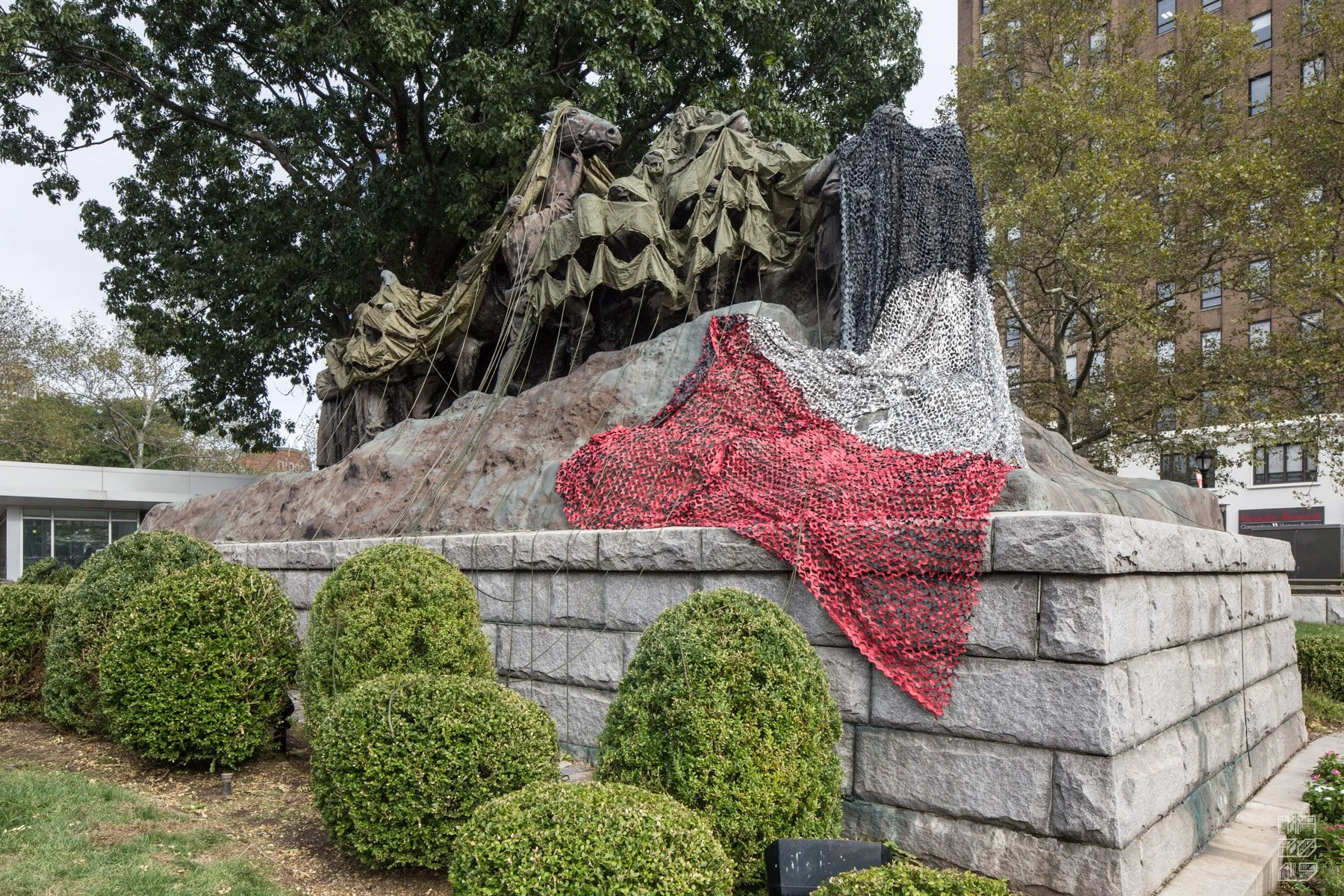
A Call to Peace is a public art and history exhibition co-curated by New Arts Justice and Monument Lab around a central question: What is a timely monument for Newark? The exhibition was conceived in response to Military Park's Wars of America monument (1926), built by sculptor Gutzon Borglum. Borglum, famed for creating Mount Rushmore and designing a Confederate Monument on Stone Mountain in Georgia, was also affiliated with the Ku Klux Klan and used granite from Stone Mountain as the pedestal for his sculpture in Newark. As the park's organizers were in the process of refurbishing the sculpture and officially updating the story it tells in the park, A Call to Peace attempted to engage and confront Borglum's own fraught legacy as well as invite speculation on the broader role of public art in the city today.
A Call to Peace features four temporary prototype monuments by artists Manuel Acevedo, Chakaia Booker, Sonya Clark, and Jamel Shabazz, who each responded to the exhibition's central question. The artists' projects respectively focused on underrepresented veterans, engaging the legacies of the Confederate statues, and addressing the relationship between public spaces and historical memory. The artists were invited based on their interdisciplinary approaches to monumental work and their innovative approaches to art and social justice.
Curated by Salamishah Tillet and Paul Farber